-
Why Do I Wake Up at 3AM Every Night? The Science Behind Early Morning AnxietyHealth & Wellness 2026. 4. 21. 19:33

Waking up at 3am Waking up at 3AM repeatedly can feel unsettling. You go to bed tired, fall asleep normally, and suddenly your eyes open in the middle of the night — wide awake, alert, sometimes anxious.
If this keeps happening, you're not alone. Many people in the U.S. and Europe report consistent early-morning wake-ups between 2AM and 4AM, even when they go to bed at a reasonable time.
Interestingly, this pattern is often linked to biology, stress response, and sleep cycle timing, not just insomnia.
Below are the most common science-backed explanations.
1. Cortisol Spikes Too Early
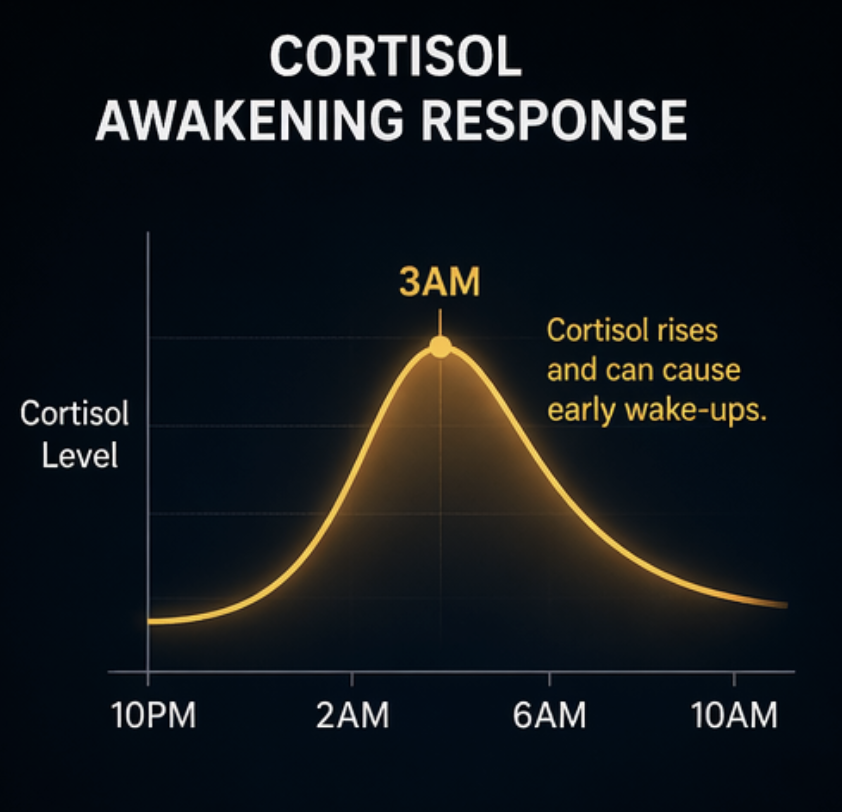
Your body naturally increases cortisol in the early morning to help you wake up feeling alert.
However, chronic stress can cause cortisol to rise too early, triggering sudden wake-ups around 3AM.
Common triggers:
- ongoing stress
- overthinking before bed
- high mental workload
- unresolved worries
Signs this may be your cause
- your mind feels active immediately
- you start thinking about tasks or problems
- difficulty falling back asleep
How to improve
- avoid stimulating content before bed
- write down tomorrow’s tasks earlier in the evening
- try breathing exercises to calm your nervous system
2. Your Sleep Cycle Ends Around That Time

Sleep cycle Sleep occurs in cycles lasting about 90 minutes.
If your bedtime creates a sleep schedule that ends a cycle around 3AM, you may wake up fully alert.
For example:
- sleeping at 10:30 PM → lighter sleep phase around 3AM
- sleeping at midnight → cycle transition near early morning
Tip
Try adjusting bedtime by 15–30 minutes and observe changes.
Small shifts can realign sleep cycles.
3. Blood Sugar Drops During the Night
Low blood sugar during sleep can trigger the release of stress hormones like adrenaline and cortisol.
This may wake your body suddenly.
Possible contributors:
- eating very little during the day
- high sugar intake followed by crash
- alcohol before sleep
- skipping dinner
Helpful habit
Include balanced evening meals with:
- protein
- healthy fats
- complex carbohydrates
4. Anxiety Becomes Stronger at Night

At night, there are fewer distractions. Thoughts become louder.
Concerns about work, health, or life decisions may surface during quiet hours.
Your brain attempts to process unresolved stress while you sleep.
This often leads to early-morning anxiety spikes.
Helpful approach
- journaling before bed
- creating a simple plan for the next day
- reducing decision fatigue at night
5. Alcohol Disrupts Sleep Structure

Alcohol may help you fall asleep faster, but it reduces REM sleep quality.
As alcohol leaves your system, the body becomes more alert, often causing wake-ups between 2AM and 4AM.
Recommendation
Limit alcohol consumption at least 3–4 hours before bedtime.
6. Your Body Temperature Changes
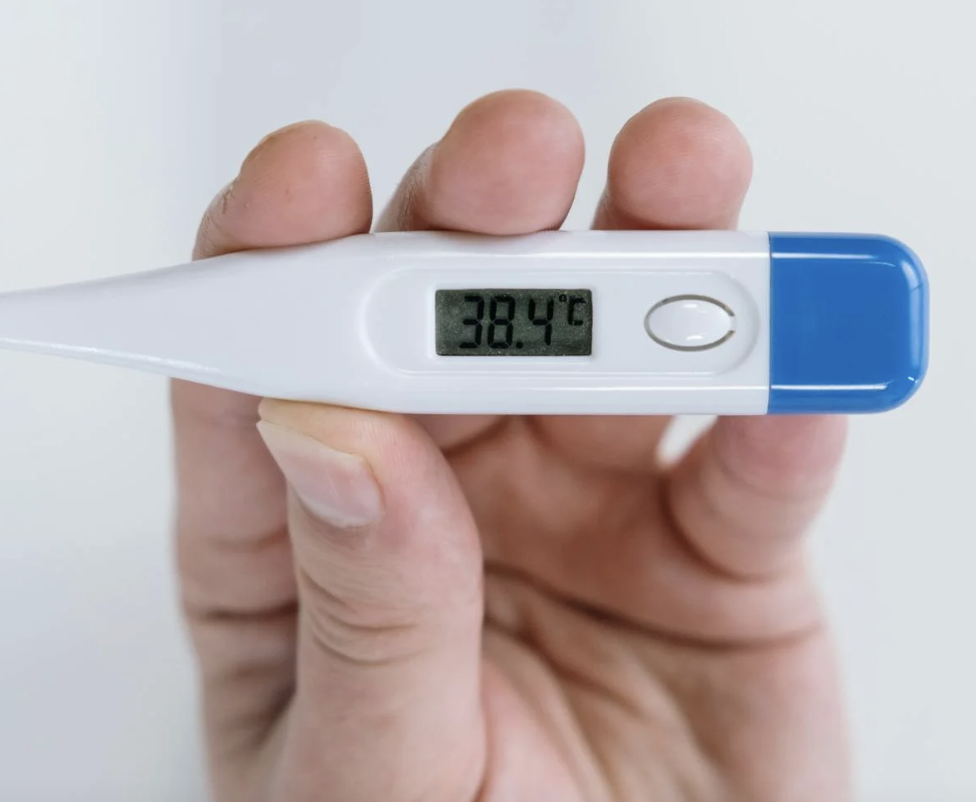
Body temperature drops at night to support deep sleep.
If your sleeping environment becomes too warm or too cold, your brain may partially wake to adjust.
Ideal sleep temperature:
18–20°C (64–68°F)Consider breathable bedding and consistent room temperature.
7. Light Exposure Disrupts Melatonin

Even small light exposure can signal your brain to wake up.
Examples:
- street lights
- phone notifications
- digital clocks
- early sunrise
Improvement tips
- use blackout curtains
- reduce LED exposure
- turn phone notifications off overnight
8. Habitual Wake Pattern
If you repeatedly wake at 3AM, your brain may begin to expect it.
Sleep patterns are highly trainable.
Even temporary sleep disruptions can become routine.
Consistency is key when resetting patterns.
What To Do If You Wake Up at 3AM
Avoid immediately checking your phone.
Instead:
- keep lights dim
- avoid stimulating activities
- try slow breathing
- relax your body gradually
If unable to sleep after 20 minutes:
try a calm activity like reading in low light.Avoid associating bed with stress.
Quick Checklist to Reduce 3AM Wake-Ups
✔ keep consistent sleep schedule
✔ reduce late-night screen exposure
✔ manage stress before bed
✔ limit alcohol intake
✔ maintain stable room temperature
✔ avoid heavy late-night meals
✔ reduce overnight light exposureSmall adjustments often produce noticeable improvements.
Final Thoughts
Waking up at 3AM is often a signal from your body — not random bad luck.
Your nervous system, hormone balance, and sleep timing all influence nighttime wake-ups.
By improving sleep habits and reducing hidden stress triggers, many people naturally regain uninterrupted sleep.
Better sleep is not just about rest — it directly affects focus, mood, productivity, and long-term health.
Internal Link
- Why Do I Wake Up Tired Even After 8 Hours of Sleep? 9 Hidden Causes Most People Miss
External Link
Sleep Foundation – Night Waking Causes
https://www.sleepfoundation.org/how-sleep-works/why-do-i-wake-up-at-3am반응형'Health & Wellness' 카테고리의 다른 글
Best Foods for Gut Health After 40 (Improve Digestion Naturally) (0) 2026.03.22